
Festival Mobile Phone Charging Station Hire & Rental: The Complete Guide to VIP Charging, Sponsorship & Secure Festival Charging Solutions
Festival Phone Charging Station Hire & Rental
OFFER one Phone charging locker with 12 doors and get four additional Phone charging locker with 12 doors. Limited Offer !
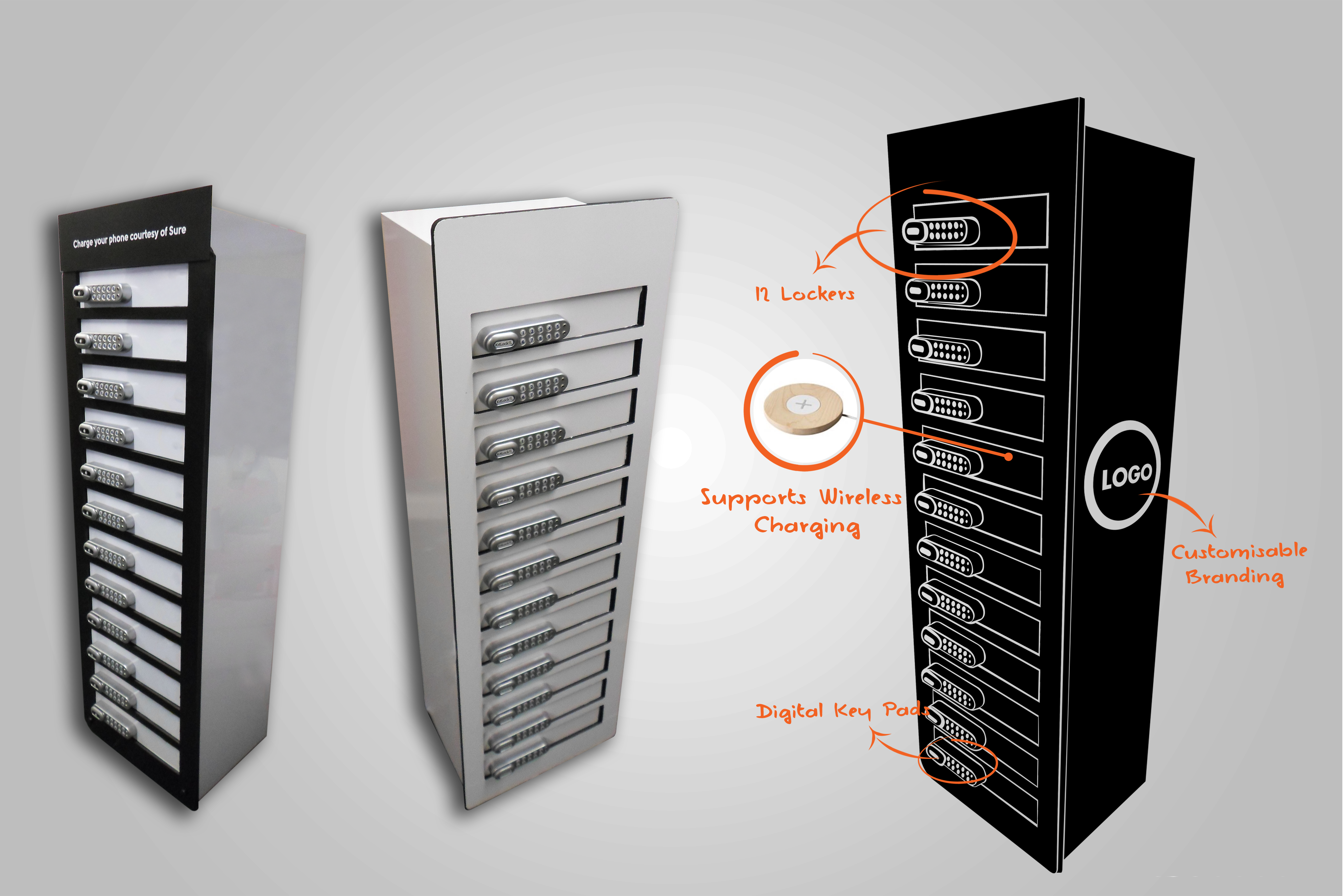
Mobile phone charging locker
Introduction to Festival Mobile Phone Charging Station Hire & Rental — The Complete UK Guide
Anyone who has organised, worked at, or attended a UK festival in the last few years will recognise the scene. It is mid-afternoon, the main stage is building towards its headline set, and somewhere near the bar a small queue has formed — not for a drink, but for a phone charger. A festival-goer is holding their handset at arm’s length, watching the battery icon tick down, aware that their digital ticket, their friends’ location pin, their pre-booked taxi confirmation and their only camera all live inside that one device. Multiply that scene by several thousand attendees across a single weekend and the scale of the challenge becomes clear.
This is why festival mobile phone charging station hire and festival phone charging station rental have moved from a “nice-to-have” extra to a core piece of event infrastructure, sitting alongside toilets, water points and first aid as something organisers plan for from day one. What was once treated as a small, optional add-on tucked into a corner of the site is now, at most well-run events, part of the initial site plan discussed alongside stages, bars and welfare provision — because the consequences of getting it wrong are felt across every part of the visitor experience, from safety to spending to social media reach. VisCharge, a UK-based specialist in phone charging stations and phone charging lockers, has spent years supplying event organisers, venues, agencies and sponsors with charging solutions that keep audiences connected, protect devices, and — increasingly — generate genuine sponsorship revenue for the events themselves.
This guide has been written for festival organisers, event managers, brand activation agencies, marketing teams, sponsors, production companies and event hire businesses who are planning festival charging solutions for outdoor events, whether that is a single-day food festival in a market town or a multi-day music festival with several stages and tens of thousands of attendees. It covers everything from the practicalities of hiring versus renting, through to VIP charging lounges, phone charging lockers, sponsorship and branding opportunities, and the charging technology itself — wireless, fast charging and multi-cable compatibility. Wherever a claim is made about VisCharge’s own products and services, it reflects information published by the company; we have not invented specifications, pricing or guarantees that cannot be verified.
By the end of this article you should have a clear, practical understanding of how festival charging stations work, which format suits your event, how sponsorship and branding can offset your hire costs, and what questions to ask any supplier — including VisCharge — before you sign a contract.
Charging infrastructure sits at an unusual intersection of event planning disciplines. It is partly a health and safety consideration, because it supports emergency communication and reduces the risk of attendees becoming separated from their group without a working phone. It is partly a commercial consideration, because charging stations can be sponsored, branded and used to generate revenue that offsets their own hire cost. And it is partly a pure customer service consideration, because nothing else on a festival site solves quite such a universal, low-level irritation as quickly or as visibly as a working charging point.
That combination — safety, commercial opportunity and customer experience all wrapped into a single, relatively low-cost piece of hired equipment — is precisely why festival charging solutions have become a standing line item in event budgets rather than an optional extra considered only once everything else has been booked. The remainder of this guide works through each of those dimensions in turn, starting with the underlying reasons attendees and organisers alike now expect charging provision as standard.
Why Every Festival Needs Mobile Phone Charging Stations
Battery anxiety is a real event management problem
“Low battery anxiety” — the low-level stress that builds as a phone’s charge drops towards single figures — is now a widely recognised behavioural phenomenon, and festivals are one of the environments where it bites hardest. Attendees are away from mains power for hours, often for an entire day or weekend, while using their phones more heavily than they would at home or at work: taking photographs and video, messaging friends across a large site, checking the running order on a festival app, and navigating between stages, food stalls and campsites.
For an organiser, the practical consequence is that a meaningful proportion of your audience will spend part of the day distracted by, or actively worrying about, their phone battery rather than enjoying the event you have built. A festival mobile phone charging station addresses that anxiety directly, by giving attendees somewhere visible, convenient and trustworthy to top up their device without leaving the site or missing a set.
This anxiety tends to compound as the day goes on. Someone who starts a festival at full battery may not think about charging at all for the first few hours, but by mid-afternoon — after photos, messages, app checks and social posts — many attendees will already be watching their battery percentage with one eye, and by evening, as the crowd thickens for headline sets, that low-level worry can turn into genuine frustration if there is nowhere obvious to charge. Positioning charging stations so they are visible and easy to find well before this point in the day — rather than only near exits or quiet corners — helps attendees top up proactively, rather than only reaching for a charging point once their phone has already died.
Digital tickets, mobile payments and festival apps depend on a working phone
Modern festivals are built around the smartphone in ways that were not true a decade ago. Entry is frequently controlled by digital tickets and QR codes rather than paper stubs. Bars and food traders increasingly run cashless or card-only payment systems, many of which are managed through a festival app or a linked mobile wallet. Running orders, set times, map updates and safety announcements are pushed through official festival apps rather than printed programmes.
All of this means a dead phone is no longer just an inconvenience — it can prevent someone from getting through the gate, paying for a drink, or receiving an urgent safety message from the event control team. Festival phone charging stations, positioned at key points around a site, are part of the infrastructure that keeps these digital systems working as intended.
Organisers who have invested heavily in digital ticketing and cashless technology sometimes overlook the fact that these systems create a single point of failure that did not exist with paper tickets and cash: the attendee’s phone. A festival that has gone fully cashless, for instance, effectively asks every visitor to keep a working device with them at all times simply to buy a drink. Building charging provision into the plan from the same stage as the ticketing and payments decision, rather than as an afterthought once those systems are already locked in, helps ensure the whole visitor journey remains genuinely frictionless rather than only frictionless for as long as everyone’s battery holds out.
Emergency communication and visitor safety
Large outdoor events bring together crowds, weather exposure, and — on multi-day sites — separated groups of friends and family who need to be able to find one another. A working phone is often the fastest route to reuniting a lost child with their parents, reaching event stewards, or calling for medical assistance. Positioning charging stations near welfare points, information tents and campsite entrances supports the wider safety plan for an event, giving attendees a practical way to keep their means of communication alive throughout the day.
Large outdoor sites also present a specific challenge that smaller, indoor venues do not: attendees can genuinely lose each other across acres of ground, multiple stages and dense crowds, with landmarks that can look similar from a distance once the light starts to fade. A phone with enough charge to send a location pin, answer a call, or simply confirm where to meet removes a significant amount of the low-level stress that can otherwise build up across a long festival day, particularly for parents attending with children, or for groups who have deliberately split up to watch different stages before regrouping later in the evening.
Customer satisfaction, dwell time and spend
From a commercial perspective, keeping attendees’ phones charged has a direct bearing on how long they stay on site and how they spend while they are there. A festival-goer who is not worried about their battery is more likely to browse traders, queue for food and drink, and stay for a late headline set rather than leaving early out of frustration or safety concern. Charging stations positioned near food courts, bars and trader villages can encourage visitors to linger in commercially valuable areas of the site rather than rushing through them.
This is a straightforward piece of behavioural logic that experienced festival organisers have long applied to bar and catering layout, and it applies just as well to charging provision: people spend money where they are comfortable and unhurried, not where they feel anxious or are simply passing through on their way somewhere else. A trader village with a well-used charging point at its centre gives visitors a genuine reason to stay in that part of the site for ten or fifteen minutes rather than walking straight through it, and that extra dwell time translates directly into additional opportunities for food, drink and merchandise sales across the day.
Social media sharing and positive reviews
Festivals live and die by word of mouth and social sharing. A phone with enough charge to take photos, post stories and tag the event’s official accounts throughout the day is free marketing that a flat battery simply switches off. Conversely, festivals that are seen to think about practical attendee needs — charging included — tend to be rewarded with more favourable post-event reviews and repeat ticket sales the following year. A visible, well-branded charging point signals that an organiser has thought about the small details of the day, not just the headline acts.
For festivals that rely on social media as a core part of their own marketing — building anticipation for next year’s line-up through this year’s attendee content — a fully charged crowd is, in effect, an extended content team working for free throughout the weekend. Every photo, video clip and story posted from the site during the event carries the festival’s branding, hashtags and atmosphere out to that attendee’s own network, at zero additional marketing cost. A flat phone by mid-afternoon cuts that content pipeline off just as the day, and the atmosphere worth capturing, is often building towards its peak.
Better visitor experience, better retention
Put simply, a festival that keeps people connected, safe and comfortable is a festival people want to return to. Mobile phone charging stations sit alongside clean toilets, accessible viewing platforms and clear signage as part of the “invisible” infrastructure that shapes whether an event feels well organised. Investing in festival charging solutions is, in that sense, an investment in the reputation of the event itself.
The rise of cashless festivals and mobile-first ticketing
Cashless bars, RFID wristbands linked to a pre-loaded balance, and mobile-only ticket entry have all become common across UK festivals of every size, from major touring brands down to regional one-day events. Each of these systems depends, at some point in the visitor journey, on a working phone — whether that is to top up a wristband balance through an app, present a digital ticket at the gate, or receive a confirmation text after a card payment. As festivals continue to move away from cash and paper altogether, the practical importance of keeping phones charged throughout the day only grows. An organiser who has invested in a slick cashless payment system but has not thought about charging provision is, in effect, building a system that quietly breaks down for any attendee whose battery runs out before the bars close.
Festival apps, running orders and real-time updates
Official festival apps have become the default way many events communicate set times, stage changes, weather updates and safety information to their audience in real time. Printed programmes are still common, but they cannot be updated the moment a stage changeover runs late or a set is moved indoors because of weather. An app-based running order is only useful for as long as an attendee’s phone has charge left to open it — which means charging provision is, in a very direct sense, part of how well your event’s live communications actually reach your crowd.
Positive reviews, ticket renewals and word of mouth
Post-event reviews, whether on ticketing platforms, social media or word of mouth among friendship groups, increasingly reference the small practical details of a festival alongside the quality of the line-up: how easy it was to get a drink, how clean the toilets were, and whether there was somewhere to charge a phone without queueing for half an hour. None of these details will make or break a festival on their own, but together they shape the overall impression an attendee takes away — and that impression is what drives renewed ticket sales the following year, particularly for festivals that rely heavily on repeat attendance and loyal, returning audiences rather than one-off ticket buyers.
OFFER: Five 16pin cable mobile phone charging station with floor stand and get five additional 16pin cable mobile phone charging station with floor stand. Limited Offer !
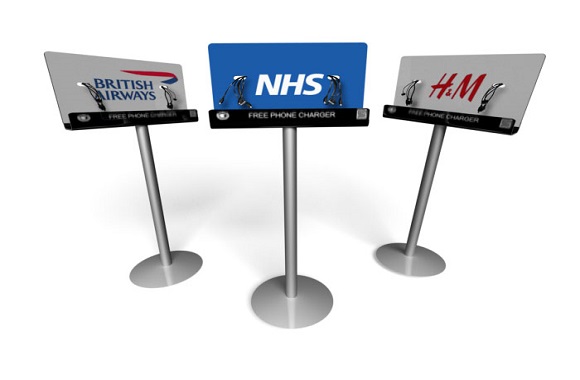
16pin cable mobile phone charging station
Festival Mobile Phone Charging Station Hire
What “hire” means for festival organisers
Festival mobile phone charging station hire refers to renting the physical charging equipment — kiosks, charging trays, lockers or mobile charging carts — from a specialist supplier for the duration of your event, rather than purchasing units outright. VisCharge offers hire, rental and lease options for its mobile phone charging stations and phone charging lockers, alongside outright purchase for organisations that want to own equipment for repeated, long-term use.
For the vast majority of festivals, which run for a single day or a long weekend once or twice a year, hire is the more practical route: it avoids the capital outlay of buying equipment, the cost of storing it for fifty-one weeks of the year, and the burden of maintaining and repairing it between uses.
Short-term, weekend and multi-day festival hire
Most UK festivals fall into one of a small number of patterns, and charging station hire is generally structured to match:
- Short-term hire — single-day festivals, county fairs and one-off outdoor events, where charging stations are delivered, installed, staffed or unstaffed as required, and collected the same evening or the following day.
- Weekend hire — the classic UK festival format, running Friday to Sunday or Thursday to Monday, where charging equipment stays on site for the full duration, with the option of overnight security or supervised access for phone charging lockers.
- Long-term and seasonal hire — for organisers running a summer season of events, a touring festival format, or a multi-site brand that needs charging equipment across a number of dates in the same season.
- Multi-event hire — useful for festival groups, promoters or councils running several distinct events across a calendar year, where the same supplier and equipment specification can be used repeatedly, simplifying planning and reducing lead times.
Nationwide delivery, installation and collection
VisCharge provides phone charging station hire services that reach event sites across the UK, from major city centre festivals to rural show grounds. Because outdoor festival sites are rarely straightforward — muddy fields, temporary power, limited vehicle access, tight get-in and get-out windows — a specialist supplier’s experience with delivery logistics, on-site installation and timely collection matters as much as the charging technology itself.
A well-run hire process typically covers:
- Confirmation of site access, ground conditions and power availability ahead of the event
- Delivery of charging stations, lockers or charging trays to the agreed location on site
- Installation and testing of units before doors open to the public
- Ongoing technical support for the duration of the event, where required
- Prompt collection once the event has finished, minimising disruption to the get-out schedule
Why hiring is often more cost-effective than buying
For most festival organisers, purchasing charging stations outright makes little financial sense. A single annual or twice-yearly event does not generate enough use to justify the capital cost of equipment that will otherwise sit in storage — and in storage, equipment still needs insuring, maintaining and eventually replacing as charging technology moves on (from wired-only units towards wireless and fast-charging capability, for example).
Hiring shifts that cost and risk onto the supplier. VisCharge, as the equipment owner, is responsible for maintenance, technology upgrades and stock availability, while the organiser pays only for the period the equipment is actually needed. This is particularly valuable for:
- New or growing festivals that do not yet know their long-term attendance figures
- One-off charity and community events working to a tight budget
- Touring or multi-site festival brands that need different quantities of equipment at each location
- Organisers who want the flexibility to trial charging stations at one event before committing to a longer-term arrangement
For festivals that run at scale every year on a fixed site, a lease or purchase arrangement may become more attractive over time — and VisCharge offers both hire and buy-now options, so organisers are not locked into a single commercial model as their event grows.
Planning your hire around the festival build schedule
Festival production timelines are typically built backwards from the gates-open moment, with different suppliers arriving on site across a build period that can run from a single day for a small event to over a week for a major multi-stage festival. Charging station hire fits into this schedule much like bar equipment, staging or toilet blocks: it needs a confirmed delivery slot, access to the site before power is fully live in some cases, and enough time for installation and testing before the public arrive. Sharing your build schedule with your charging supplier early — even in draft form — makes it far easier to slot delivery and installation into a logical place in the wider build, rather than competing for site access with every other supplier on the busiest day.
Technical support during the event itself
Because a festival runs across extended hours, often from midday through to midnight or later, and across multiple consecutive days, equipment needs to keep working reliably throughout — not just at the point of installation. Ongoing technical support during the hire period, whether that is a supplier contact on call or, for larger events, an on-site technician, helps ensure that any fault with a unit is resolved quickly rather than leaving a charging point out of action for the rest of the day. This is worth discussing explicitly with your supplier at the enquiry stage, particularly for larger festivals where a single charging zone may be relied upon by several thousand attendees across a weekend.
Festival Mobile Phone Charging Station Rental
Rental as a flexible, outdoor-ready format
“Rental” and “hire” are often used interchangeably in the UK events industry, and in practice VisCharge’s phone charging station rental and hire services cover the same core offering: temporary provision of charging equipment for a defined period. Where the language is useful is in framing rental around flexibility — rental periods, quantities and configurations that can be built around the specific shape of your event, rather than a one-size-fits-all package.
Flexible rental periods for every event size
Festival phone charging station rental is available for periods that match the realities of outdoor events, whether that is:
- A single afternoon for a small community fete or food festival
- A full weekend for a mid-sized regional music festival
- A week-long agricultural show or county show with multiple public days
- A recurring seasonal arrangement across a summer festival calendar
Because outdoor events rarely run to a neat, predictable timetable — early build days, weather delays, extended breakdown periods — a good rental partner will work around your build and de-rig schedule rather than a rigid fixed slot.
Temporary installations built for outdoor conditions
Unlike a phone charging station in a shopping centre or office reception, festival equipment has to cope with grass, mud, uneven ground, direct sun, rain and, in the case of multi-day events, overnight dew. Rental units supplied for outdoor festival use need to be positioned thoughtfully — under cover where possible, on stable, level bases, and with cabling managed to avoid trip hazards — considerations that an experienced supplier will factor into the site plan alongside the organiser’s production team.
Rental for large-scale events, small festivals and charity events
The scalability of rental is one of its biggest advantages. A large-scale music festival might need multiple charging locations across several fields — VIP areas, general admission, campsites and trader villages — while a small charity fun day might need a single charging point outside the welfare tent. Because rental quantities can be scaled to the event, organisers of small and charity events are not priced out of offering the same basic amenity as a major festival, while large-scale organisers can deploy charging infrastructure across an entire site.
Corporate festivals and brand-led outdoor events
Corporate-branded festivals, product launch events and brand activation days held outdoors bring an additional dimension: the charging station itself often becomes part of the brand experience, particularly when it is supplied as a fully branded unit (see the Sponsorship and Branding sections below). For these events, rental offers the same operational flexibility as a public festival, with the added benefit that the equipment can be wrapped or dressed to match campaign creative for a single activation, then returned without any long-term branding commitment.
Rental benefits at a glance
- No long-term storage, maintenance or insurance burden
- Equipment matched to the specific footfall and layout of your event
- Access to current charging technology (wireless and fast charging) without a capital purchase
- Delivery, installation and collection handled by the supplier
- Scalable up or down between events, or even within a single event across different zones
Matching rental quantity to expected footfall
One of the more common questions organisers ask when planning festival charging solutions is simply: how many units do I actually need? There is no single fixed ratio that suits every event, because the right answer depends on total attendance, how the site is laid out, how long people typically dwell in each zone, and whether the event runs across one day or several. As a starting point, most organisers find it useful to think in terms of zones rather than a single site-wide total — a busy main arena thoroughfare, a food and drink village, a campsite entrance and a VIP lounge are likely to need very different quantities and formats of charging provision, even at the same event. Discussing your site plan and expected attendance directly with your supplier, rather than guessing at a single number in isolation, generally produces a more accurate and cost-effective quote.
Rental as part of a wider event technology package
For some organisers, phone charging sits alongside other event-day technology needs — Wi-Fi provision, digital signage, RFID wristband top-up points and cashless payment infrastructure. While VisCharge’s core specialism is phone charging stations and lockers, positioning your charging zones alongside these other technology touchpoints (for example, siting a charging locker near a wristband top-up point) can create a natural “connectivity hub” within your site that attendees quickly learn to seek out, rather than scattering charging provision randomly across the map.
Limited-Time Promotional Offer
Current Festival Promotion
For a limited time, qualifying festival orders placed with VisCharge may be eligible to receive up to three additional Festival Mobile Phone Charging Stations free of charge. This offer is designed to help organisers extend charging coverage across more of their site — for example, adding units to a campsite, a secondary stage or a trader village — without increasing the core hire cost of their order.
Special Offer: 16 Cable Phone Charging Trays
Alongside the free-unit promotion, VisCharge is also offering 10 VisCharge 16 Cable Phone Charging Trays at 50% off, available with either a floor stand or a table-top stand configuration, giving organisers the flexibility to position charging trays according to the space available at their venue — free-standing in a high-footfall thoroughfare, or table-mounted in a VIP lounge, information point or hospitality area.
Both offers are subject to availability and apply to qualifying orders only. Terms, minimum order requirements and availability should be confirmed directly with VisCharge at the time of enquiry, as promotional terms may change.
If you are planning a festival for the current season, it is worth raising these offers directly with the VisCharge team when you request your quote, so that any applicable savings can be built into your event budget from the outset. Promotional terms of this kind are also a useful prompt to plan your overall charging strategy a little earlier than you might otherwise — organisers who approach VisCharge with a reasonably firm site plan and quantity estimate tend to be in a better position to take advantage of time-limited offers than those enquiring at the last minute, once availability for a busy festival weekend may already be tighter.
Types of Phone Charging Stations
Not every part of a festival site has the same security profile, footfall pattern or audience. VisCharge’s range covers both open, non-locking charging stations and fully lockable phone charging lockers, allowing organisers to match the format to the location.
Getting this choice right at each point on your site is one of the more overlooked aspects of festival planning. It is tempting to treat “charging provision” as a single decision made once, early in the planning process, and then applied uniformly across the whole event. In practice, the right format changes depending on who is likely to be using a given charging point, how closely it can realistically be supervised, and how long attendees are likely to leave their device unattended while it charges. The sections below set out the practical differences between open stations and lockers, so that decision can be made zone by zone rather than as a single blanket choice for the entire festival.
Open Phone Charging Stations
Open — or “non-locker” — charging stations allow multiple devices to be plugged in and charged simultaneously on a shared unit, without individual locking compartments. They are best suited to locations where devices can be reasonably supervised, either by the attendee themselves or by event staff, such as:
- Information points and welfare tents — where staff are present throughout opening hours and can keep an eye on the immediate area
- VIP lounges and hospitality tents — where access is already restricted to ticket or wristband holders, reducing footfall and casual passers-by
- Staff and crew areas — production offices, artist liaison points and volunteer welfare zones, where the user base is known and access-controlled
- Production offices — back-of-house areas where laptops, radios and phones all need topping up during long shift patterns
Benefits of open charging stations include lower cost relative to lockable units, faster user turnover (no PIN code or key process to manage), and a simpler, more sociable set-up that suits supervised or semi-private areas.
Open stations also tend to work well in spaces where charging is a secondary activity rather than the main reason someone has stopped — a production office where staff plug in a phone while working at a desk, or an information point where a visitor charges their device for a few minutes while asking a steward for directions. In these settings, the informality of an open station, with no PIN or retrieval step required, fits naturally into how the space is already being used, without adding an extra process for staff or visitors to think about.
Disclaimer
“Your Phone, Your Responsibility”
This wording forms part of the standard branding on VisCharge’s open charging stations. It is displayed prominently on the unit itself, and it exists to remind users that, because open stations do not lock individual devices away, attendees are responsible for supervising their own phone while it charges. For high-footfall public areas — where a device might be left unattended for several minutes at a time — a lockable phone charging locker is generally the safer and more appropriate choice.
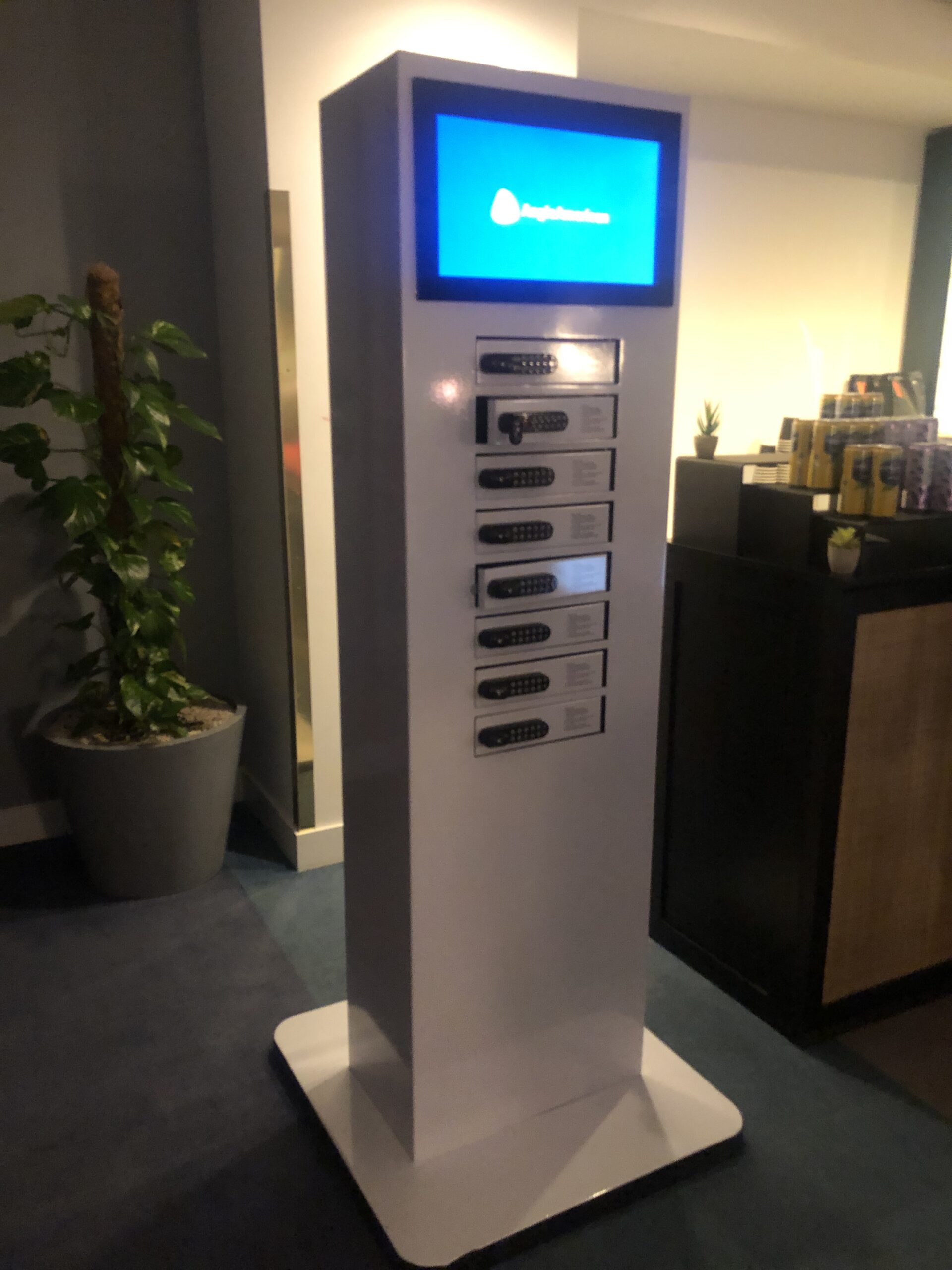
Phone charging lockers
Phone Charging Lockers
Where a location cannot guarantee supervision — a general admission thoroughfare, a busy bar area, or an overnight campsite charging point — phone charging lockers are the more secure option. Each device is placed into an individual, lockable compartment, protected by a PIN code or, in VisCharge’s more advanced units, a digital PIN lock with an LCD screen, so the attendee alone can retrieve their phone once it has finished charging.
Key features and benefits of phone charging lockers include:
- Lockable compartments that physically separate each device from every other user
- PIN protection, and on certain VisCharge units, digital PIN locks with LCD screens for a clearer, more modern user interface
- Security in high-footfall areas, where an open station would leave devices vulnerable to being picked up by the wrong person, accidentally or otherwise
- Overnight charging capability, useful at campsite charging points where attendees may want to leave a phone charging safely while they sleep
- Queue reduction and user confidence — because each attendee has a dedicated, private compartment, lockers can reduce the anxious hovering and device-watching that sometimes builds up around open charging stations in busy areas
VisCharge’s locker range includes multiple configurations, including 12-unit and 24-unit locker formats with power bank integration, suitable for scaling to the footfall of your event.
For festivals with campsites, phone charging lockers deserve particular attention in the planning process. Campsite charging is typically the highest-demand charging use case at any multi-day festival, because attendees have no other reliable way to charge a device overnight, and because campsite areas are often the least supervised parts of a site during the small hours. A well-positioned bank of phone charging lockers near a campsite entrance or welfare point — ideally lit, signposted and within sight of a staffed area — gives attendees the confidence to leave a device charging overnight without needing to physically guard it themselves, which in turn supports a better night’s sleep and a safer, more relaxed atmosphere across the campsite as a whole.
Lockers also tend to reduce a particular kind of low-level friction that builds up around open charging stations in very busy areas: the understandable but disruptive habit of attendees hovering nearby, checking on their device, or moving other people’s cables to free up a socket. Because each locker compartment is dedicated to a single user for the duration of their charge, attendees can walk away entirely — back to the crowd, to a food stall, or to their tent — and return later, which is generally a smoother and less stressful experience than waiting near an open station.
Open Stations vs Phone Charging Lockers: Comparison Table
| Feature | Open Charging Stations | Phone Charging Lockers |
|---|---|---|
| Best suited to | Supervised or access-controlled areas (VIP, staff, welfare points) | High-footfall public areas, general admission, overnight charging |
| Device security | Relies on user or staff supervision | Individually locked, PIN or digital PIN protected |
| Typical user turnover | Faster — plug in and walk away within view | Slightly slower — PIN entry and retrieval process |
| Overnight suitability | Not generally recommended unsupervised | Well suited, particularly at campsite locations |
| Branding potential | High — large surface area for graphics and sponsor logos | High — locker fronts and surrounds can also be branded |
| Relative cost | Generally lower | Generally higher, reflecting the added locking mechanism |
| Ideal festival zones | VIP lounges, artist areas, production offices, information points | Main arena, trader villages, campsite entrances, bars |
Choosing a mix rather than a single format
Most festivals of any meaningful size end up using a mix of both formats rather than committing entirely to one or the other. A common pattern is to install open charging stations in the controlled, supervised spaces — VIP lounges, staff areas, information points — while deploying lockable phone charging lockers across the higher-footfall, less supervised public zones, particularly around bars, main stages and campsite entrances. This blended approach tends to deliver the best balance between cost, user convenience and device security, because it applies the right level of protection to each part of the site rather than over-specifying secure lockers everywhere, or under-specifying security in the busiest public areas.
Signage and way-finding for charging zones
However good your charging provision is, it only helps attendees who can actually find it. Clear, consistent signage — ideally matching your festival’s wider way-finding design, and referenced on printed maps and within your official app — makes a measurable difference to how well charging stations are used across a site. Positioning charging points near other high-traffic landmarks (main bars, information points, welfare tents) also helps, since attendees are more likely to notice a charging station they pass regularly than one tucked away in a quieter corner of the site.
Festival VIP Areas
Why premium visitors expect premium charging facilities
VIP tents, hospitality lounges, artist areas, backstage zones, corporate hospitality suites and sponsor lounges are, by definition, spaces where festivals raise the standard of everything else on offer — better bar service, better toilets, better seating, better views of the stage. Charging facilities are no exception. A guest who has paid a premium for VIP access, or a sponsor whose brand is attached to a hospitality area, will notice quickly if the charging provision in that space feels like an afterthought bolted on from the general admission area.
A VIP charging station — typically an open, non-locker unit given the controlled, lower-footfall nature of these spaces — allows premium guests to charge multiple device types quickly, without the queueing or locking process that suits a busy public thoroughfare. Positioned discreetly within the lounge furniture or dressed to match the space’s branding, it becomes part of the overall VIP experience rather than a separate utility.
VIP ticket holders and hospitality guests are also, in many cases, the audience most likely to be actively documenting the event for their own social channels — sharing from a private box, a branded lounge, or a backstage area carries a certain cachet that general admission photography does not always have. Ensuring these guests are not held back by a low battery at exactly the moment they might want to share their experience is a small but meaningful part of delivering on the premium promise attached to VIP and hospitality tickets.
Where VIP-standard charging matters most
- VIP tents and hospitality lounges — general premium ticket holder areas, often the highest-visibility hospitality space at a festival
- Artist and backstage areas — where performers, tour managers and crew need reliable charging for phones, in-ear monitor packs and other devices, away from public access
- Corporate hospitality suites — used to entertain clients, partners and stakeholders, where a well-presented charging point reflects on the host company as much as the festival itself
- Premium ticket holder zones — such as raised viewing platforms or premium bar areas, where charging provision reinforces the “worth paying extra for” positioning of the ticket tier
- Sponsor lounges — spaces funded or branded by a commercial partner, where a matching branded charging station extends the sponsor’s presence throughout the space
- Press and media areas — where journalists, photographers and content creators are heavily reliant on functioning devices throughout the day, often filing content in real time
- Production offices — the operational nerve centre of the event, where radios, laptops and phones all compete for limited power sockets
VIP vs General Public Charging: Comparison Table
| Consideration | VIP / Hospitality Charging | General Public Charging |
|---|---|---|
| Typical format | Open charging stations, often styled to match the lounge | Mix of open stations and lockable lockers |
| Footfall | Lower, access-controlled | High, unrestricted |
| Security requirement | Lower — supervised, known audience | Higher — lockers recommended in busy areas |
| Presentation | Styled to match hospitality branding and furniture | Robust, high-visibility branded units |
| Sponsorship role | Reinforces sponsor’s premium association | Maximises reach and impressions across the wider crowd |
| Staffing | Often unstaffed, self-service within a supervised space | May be staffed at peak times for larger installations |
Sponsorship Opportunities
Why charging stations have become a valuable sponsorship asset
A phone charging station sponsorship is, at its core, an exchange: a brand funds or supplies a charging station in return for prominent exposure on a unit that attendees are actively drawn to use. Unlike a passive banner or poster, which festival-goers may walk past without a second glance, a charging station offers a brand a moment of genuine utility — the sponsor is directly responsible for solving a real, immediate problem (a dying phone battery) rather than simply asking for attention.
This distinction matters. Attendees who plug their phone into a sponsor-branded charging station spend several minutes standing next to, looking at, and often photographing that branding, at a moment when they are glad of the service being provided. That combination of dwell time, goodwill and repeat exposure across a festival weekend is difficult to replicate with traditional static advertising.
What sponsorship brings to organisers, sponsors and visitors
- For organisers, charging station sponsorship can offset the cost of hiring charging infrastructure, turning what would otherwise be a pure cost line into a partly or fully funded amenity — while simultaneously improving the visitor experience.
- For sponsors, it delivers sustained brand exposure in a high-footfall environment, with the added benefit of being associated with a genuinely useful service rather than pure advertising.
- For visitors, it means charging points are more likely to be available, well-maintained and prominently signposted, because there is a commercial incentive behind their provision.
Digital branding, QR codes and interactive engagement
Beyond static logo placement, sponsor-branded charging stations can incorporate QR codes linking through to a sponsor’s website, app download, competition entry or social channel — giving the brand a direct, trackable route from a moment of physical engagement (charging a phone) to a digital action (scanning a code). Some installations also support digital screens or interactive content, extending the sponsorship beyond a printed wrap into a small-scale digital advertising placement within the festival site.
Revenue generation and visitor engagement
For larger festivals, charging station sponsorship can form part of a wider sponsorship revenue strategy sitting alongside stage sponsorship, bar sponsorship and merchandise partnerships. Because charging stations are typically positioned in the busiest parts of a site — main thoroughfares, food courts, VIP entrances — they offer sponsors guaranteed footfall and dwell time that can be quantified and reported back as part of a post-event sponsorship pack.
Building charging sponsorship into your wider sponsorship pack
Festival sponsorship packs typically present a menu of opportunities at different price points and levels of exposure — headline stage naming rights at the top, through to smaller activations further down. Charging station sponsorship sits well as a mid-tier opportunity: more affordable and easier to activate than full stage sponsorship, but with a stronger, more direct engagement profile than simple banner or programme advertising. Including it explicitly in your sponsorship pack, with clear detail on the number of units available, their locations, and the branding options on offer, makes it easier for potential sponsors to understand exactly what they are buying and to compare it against other opportunities in your pack.
Local businesses as well as national brands
While national and multinational brands are often the first sponsors organisers think of, charging station sponsorship is also well suited to local and regional businesses — a local brewery at a beer festival, a nearby hotel or taxi firm at a county show, or a regional radio station at a music festival. These local partnerships can be easier to secure than national sponsorship deals, often come with a genuine community connection that resonates with the local audience attending the event, and can be a useful way to build sponsorship revenue incrementally, particularly for newer or smaller festivals still building a track record with larger commercial partners.
It is also worth remembering that local sponsors are often more receptive to a direct, in-person pitch than national brands, who may require a formal sponsorship proposal to work through several layers of marketing sign-off. A conversation with a nearby brewery, garden centre, taxi firm or estate agent about sponsoring a single charging station — with clear, simple terms and an honest indication of expected footfall — can sometimes be secured far more quickly than a similar approach to a national brand’s marketing department, making local sponsorship a practical option even when your event is only a few months away.
Reporting back to sponsors after the event
Sponsors who fund charging stations will generally want some form of confirmation that the exposure they paid for was actually delivered — photographs of the branded units in situ, an indication of footfall or usage across the event, and any social media mentions or user-generated content featuring the charging station. Building this reporting into your post-event sponsorship follow-up, even in a relatively simple form, helps demonstrate value and makes it more likely that the same sponsor will return for future editions of your event.
Festival Phone charging stations Branding Options
Turning a utility into a marketing asset
Whether a charging station is sponsored by a third-party brand or branded with the festival’s own identity, VisCharge’s units are designed to be customised with:
- Full colour graphics wrapped across the body of the unit
- Sponsor logos, positioned prominently on the front and sides
- Festival branding, incorporating event names, line-up graphics or edition-specific artwork
- Corporate branding, for corporate festivals and brand-hosted outdoor events
- Promotional campaign artwork, tying the charging station into a wider marketing push around the event
- QR codes and calls to action, linking through to competitions, apps or sponsor microsites
Branded charging stations as an experience, not just an advert
The most effective branded charging stations do not feel like an advertising hoarding that happens to have plug sockets attached. They are designed so the branding complements, rather than competes with, the practical experience of charging a phone — clear signage showing which sockets are free, simple instructions for plugging in multiple device types, and, where lockers are used, a clean, legible PIN entry process. Done well, branding enhances the perceived value of the service (this feels like a proper, professionally run amenity) while still delivering strong, memorable exposure for the sponsor or festival brand behind it.
Where branded units work hardest
Branded and sponsored charging stations tend to perform best in the busiest, most photographed parts of a festival site: main arena thoroughfares, food and drink villages, entrance and exit points, and VIP lounges. Positioning is therefore a joint decision between the organiser’s site plan and the sponsor’s objectives — maximising reach for a mass-market brand, or maximising quality of engagement for a premium brand targeting VIP audiences specifically.
Consistency across a multi-unit deployment
For festivals deploying several branded charging stations across a site, consistency of design across every unit matters as much as the design itself. A sponsor’s branding should look and feel the same whether an attendee encounters it at the main entrance, in the food court, or by the campsite, reinforcing recognition each time rather than presenting a slightly different version of the brand at every location. This is particularly relevant for festivals running units in a mix of formats — open stations, lockers and charging trays — where the branding template needs to translate cleanly across different physical shapes and sizes of equipment.
Balancing branding with usability
A well-branded charging station still needs to be, first and foremost, an easy and obvious piece of equipment to use. Overly dense branding that obscures socket labelling, instructions or PIN entry screens can undermine the very experience the sponsorship is meant to be associated with. The strongest branded installations tend to keep core usability elements — plug points, instructions, locker screens — clear and uncluttered, while using the surrounding surface area of the unit for the sponsor’s colours, logo and messaging.
Charging Technology
The technology inside a charging station matters just as much as its physical format. A locker or open station is only as useful as the charging technology built into it, and festival audiences bring a genuinely mixed range of devices, ages of handset and charging habits to any event. The following sections cover the core technologies organisers should expect from a modern festival charging supplier, and why each one matters in an outdoor, high-footfall environment.
Wireless Charging
Qi wireless charging has become the standard for cable-free charging across most modern smartphones, and its inclusion on festival charging stations reflects a broader shift in visitor expectations. For attendees, wireless charging removes one of the most common friction points at a busy charging point — the fumble for the right cable, or the discovery that the only free socket doesn’t match their phone. Placing a device on a wireless charging pad is faster to understand, faster to use, and reduces wear on shared charging cables, which see heavy use across a festival weekend.
Wireless charging is particularly well suited to VIP and hospitality areas, where the smaller crowd size and typically newer devices among premium ticket holders make it a genuinely premium-feeling amenity, reinforcing the “worth the upgrade” positioning of a VIP charging station.
For general admission areas, wireless charging can also work well as a complement to cable charging rather than a replacement for it, giving attendees a choice between placing their phone on a pad for a quick top-up or plugging in via cable for a longer, more complete charge while they take a break from the crowd.
Fast Charging
High-speed, intelligent USB charging technology allows attendees to get meaningful battery life back in a shorter window than older, standard charging methods — important at a festival, where visitors want to charge enough to get through the next few hours, then get back to the crowd, rather than sitting at a charging point for an extended period. Commercial-grade fast charging technology, built into VisCharge’s charging stations and lockers, is designed to intelligently manage power delivery across multiple connected devices simultaneously, rather than slowing every user down to the lowest common denominator.
Multi-Cable Charging and Device Compatibility
A festival crowd brings together every major smartphone brand and generation of charging port in circulation, so compatibility cannot be an afterthought. VisCharge’s charging stations and lockers are designed to support the full range of connector types in everyday use, including:
- Apple Lightning
- USB Type-C
- Micro USB
This multi-cable approach ensures compatibility across the devices attendees actually bring to site, including:
- iPhone
- Samsung Galaxy
- Google Pixel
- Motorola
- Nokia
- Huawei
- Sony
- Oppo
- Xiaomi
- Android devices generally
VisCharge also supplies fast charging cable cords with Lightning, Type-C and Micro USB connectors covering the full range of iPhones and Android phones, as well as fast magnetic charging cables designed for portable, wireless charging of Apple Watch Series devices — a useful addition for attendees who wear a smartwatch throughout the festival and want it topped up alongside their phone.
Why multi-device compatibility is essential at festivals
Unlike a corporate office or a single-brand retail environment, a festival cannot assume a uniform audience of devices. A charging station that only supports one connector type will inevitably leave a proportion of attendees unable to use it — exactly the kind of frustration that a charging station is meant to solve, not create. Multi-cable compatibility, covering Lightning, USB-C and Micro USB as standard, is therefore not a luxury feature but a baseline requirement for any charging solution deployed to a genuinely mixed festival crowd.
Power infrastructure and generator considerations
Charging stations do not exist in isolation from the rest of a festival’s electrical infrastructure. On many outdoor sites, particularly greenfield locations without a mains connection, power is supplied by generators shared across multiple areas of the event — staging, catering, welfare and charging points included. Planning charging station power requirements alongside your site’s wider generator and distribution plan, rather than as an afterthought, helps avoid overloading a single circuit at peak usage times, such as during a changeover between headline acts when large numbers of attendees are likely to visit charging points simultaneously. This is a conversation worth having jointly between your production team, your power supplier and your charging station supplier during the planning phase.
Planning for peak demand
Charging demand across a festival day is rarely evenly spread. Attendees are most likely to seek out a charging point first thing in the morning, before headline sets when they want to ensure enough battery for photos and video, and towards the end of the night when phones have been in heavy use for hours. Positioning enough charging capacity to handle these predictable peaks — rather than sizing provision only for an average level of demand — helps avoid the long queues and frustration that can otherwise build up around a single, under-specified charging zone at the busiest moments of the day.
Charging Technologies: Comparison Table
| Technology | Best for | Key benefit | Typical festival location |
|---|---|---|---|
| Qi wireless charging | Newer smartphones, VIP areas | Cable-free, fast to understand and use | VIP lounges, hospitality, press areas |
| Fast (intelligent USB) charging | High-footfall general admission areas | Quicker top-ups, intelligent multi-device power management | Main arena, food courts, campsite entrances |
| Multi-cable (Lightning / USB-C / Micro USB) | Mixed-device festival crowds | Universal compatibility across brands and device ages | All public charging zones |
| Magnetic wireless watch charging | Apple Watch and similar wearables | Keeps smartwatches charged alongside phones | VIP and hospitality charging stations |
Safety
Electrical safety and cable management on outdoor sites
Commercial charging equipment deployed outdoors needs to be installed with the same rigour as any other temporary electrical infrastructure on a festival site. That means secure, weatherproofed power connections, cabling that is managed and covered to avoid trip hazards across busy pedestrian routes, and units positioned on stable, level ground away from standing water. VisCharge’s charging stations are designed for high-traffic, high-usage commercial environments, but good outcomes on site also depend on sensible positioning and set-up by the production and site management team.
Weather considerations
British festival weather is famously unpredictable, and charging equipment needs to be sited and, where necessary, covered accordingly — under a gazebo, marquee or dedicated charging tent, rather than fully exposed to direct rain. Organisers should factor charging station locations into the same weather contingency planning applied to stages, bars and other electrically powered infrastructure.
Equipment maintenance
Because VisCharge equipment is supplied for hire or rental rather than owned long-term by the organiser, day-to-day maintenance and technical support during the event is typically the supplier’s responsibility, reducing the burden on event production teams who already have a full site to manage.
Reinforcing the branding disclaimer on open stations
“Your Phone, Your Responsibility”
This disclaimer, displayed on VisCharge’s open charging stations, is a deliberately simple safety message: because open stations do not physically lock devices away, users need to keep an eye on their own phone while it charges. It is particularly important to reinforce this messaging — through signage, staff briefings and, where relevant, PA announcements — in busy general admission areas, where an open station left unattended is more vulnerable than the same unit positioned in a supervised VIP or staff area. Where a location cannot guarantee this level of supervision, a lockable phone charging locker remains the safer choice.
Staff briefing and visitor communication
Safety messaging around charging stations works best when it is reinforced in more than one place. Beyond the disclaimer printed on the unit itself, briefing stewards and volunteers stationed near open charging points to keep a general eye on the area, and including a line about charging point locations and etiquette in any pre-event visitor communications or app notifications, all help set expectations before an attendee even reaches the charging station. This is a small addition to an event’s existing safety and welfare briefing, but one that noticeably reduces the likelihood of a lost or mislaid device becoming a bigger issue for your welfare team to resolve.
Positioning away from hazards
Charging stations should be sited with the same care given to any other piece of festival infrastructure with a power connection — away from vehicle routes, clear of fire exits and emergency access routes, and with enough surrounding space that a small queue does not create a bottleneck across a busy walkway. Where lighting is limited, particularly for evening and overnight use, charging zones benefit from being positioned near existing lit areas such as bars or information points, both for practical visibility and for attendees’ general sense of safety when using the equipment after dark.
Benefits for Festival Organisers
Bringing the threads of this guide together, festival mobile phone charging stations deliver measurable benefits across several parts of an organiser’s operation. Few single pieces of hired equipment touch quite so many different areas of a festival’s success at once — safety, visitor experience, commercial performance and reputation all overlap in the case for investing properly in charging provision, which is why it is worth summarising the full picture in one place before moving on to the event-type breakdown that follows.
- Better visitor experience — attendees spend less time worrying about their battery and more time enjoying the event
- Longer dwell times — charging points positioned near food, drink and trader areas encourage visitors to stay and spend
- Increased food and drink sales — a natural consequence of longer, less anxious dwell time in commercial zones
- Improved social media engagement — charged phones mean more photos, stories and tags shared throughout the day, extending the festival’s reach organically
- Enhanced reputation — visible investment in practical attendee welfare contributes to a “well organised” reputation that supports repeat ticket sales
- Sponsorship revenue — branded and sponsored charging stations can offset hire costs while delivering genuine value to commercial partners
- Brand activation opportunities — charging points offer sponsors and the festival itself a platform for meaningful, engaged brand exposure
- Visitor safety — reliable access to a charged phone supports the wider event safety and welfare plan
- Reduced complaints — charging provision is one of the more common sources of visitor frustration when absent, and one of the more easily solved
- Higher customer satisfaction — a cumulative effect of all of the above, reflected in post-event surveys and reviews
Taken individually, none of these benefits is likely to transform a festival’s finances or reputation overnight. Taken together, however, they represent a consistent, compounding return on what is, relative to the overall production budget of most festivals, a modest and predictable hire cost. Charging provision rarely appears as a highlight in a festival’s own marketing — nobody buys a ticket because of the charging stations — but its absence is noticed quickly, and its presence quietly supports almost every other objective an organiser is working towards across the event, from safety and welfare through to sponsorship revenue and next year’s ticket sales.
Cost factors to budget for
While specific pricing should always be confirmed directly with your supplier and will vary by event, a number of factors typically influence the overall cost of festival charging station hire and rental:
- Quantity and format — the number of units required, and the mix between open stations, lockers and charging trays
- Hire duration — single-day hire versus a full weekend or multi-day event
- Delivery location and access — distance from the supplier’s base and the complexity of site access
- Branding requirements — standard units versus bespoke branded or sponsored designs
- Staffing — whether charging zones require dedicated on-site staff or run unsupervised
- Technical support level — remote support versus a dedicated on-site technician for the duration of the event
- Promotional offers — qualifying orders may be eligible for free additional units or discounted charging trays, as outlined earlier in this guide
Building a clear picture of your expected zones, quantities and branding needs before requesting a quote will generally result in a faster, more accurate response from your supplier, and makes it easier to compare costs meaningfully if you are speaking to more than one company.
Suitable Events
Festival mobile phone charging station hire and rental is not limited to large multi-day music festivals. VisCharge’s charging solutions are suited to a wide range of outdoor and indoor event formats, each with its own footfall pattern, audience profile and site layout that shape how charging provision is best deployed. The event-by-event notes below are intended as a starting point for thinking through your own event’s specific needs, rather than a rigid template — most festivals will draw on elements of several categories at once.
Music festivals — Multi-stage, multi-day music festivals are the classic use case, requiring charging provision across general admission, VIP, campsite and backstage areas simultaneously, often with sponsorship built into the commercial model from the outset. With attendees on site for several consecutive days and often camping without access to mains power, charging becomes one of the most heavily used amenities on the entire site, and one of the first things a returning attendee will look for when they arrive.
Food festivals — Compact, often single-day events where charging stations positioned near stallholder areas support longer browsing and spending time among visitors moving between food and drink vendors. Because footfall tends to concentrate around a relatively small number of stalls and seating areas, a small number of well-placed charging points can serve a food festival effectively without the need for extensive site-wide coverage.
Beer festivals — Similar in profile to food festivals, beer festivals benefit from charging points near seating and tasting areas, where visitors are likely to stay for extended periods and want to document and share their visit. Longer dwell times at tasting tables also make these events well suited to open charging stations, since devices remain within easy view of their owners throughout.
County shows and agricultural shows — Large sites, often spanning several fields, with a broad demographic from families to farming professionals, benefiting from charging points at show rings, trade stands and catering areas. The scale of many county show sites means charging provision often needs to be spread across several distinct zones rather than concentrated in one place, reflecting the sheer distances attendees may walk across a single show day.
Air shows — Long viewing days in exposed outdoor locations, where phones are heavily used for photography and video throughout, make charging provision particularly valuable. With limited shelter and long hours spent in one viewing spot, charging points positioned near catering and grandstand areas are typically the most heavily used.
Sporting events and marathons — Charging points support both spectators tracking runners via apps and participants or support crews needing reliable communication throughout the day. Charging provision near finish lines and family reunion points is particularly valued, given how central phones are to coordinating pick-ups across a large, spread-out crowd.
Charity events — Community and charity fun days benefit from scalable rental quantities that match modest budgets while still offering a valued attendee amenity. A single well-positioned open charging station is often sufficient for smaller charity events, keeping costs proportionate to the scale of the day.
Outdoor cinemas — Extended evening events where audiences want their phones charged and ready for the journey home, as well as for sharing the experience on social media. As these events often run into the evening and beyond, reliable lighting and weather protection around charging points becomes an important practical consideration.
Christmas festivals and markets — Cold-weather outdoor events where phone batteries drain faster, and charging points near food and drink stalls support longer, more comfortable visits. Cold weather is known to accelerate battery drain, making charging provision arguably even more valuable at winter events than at summer ones.
Pride events — High-energy, high-footfall celebrations where social media sharing is central to the day, making reliable charging provision especially valuable. The parade and rally format of many Pride events also creates natural gathering points where a branded charging station can achieve very high visibility.
Cultural festivals — Multicultural and community celebrations, often family-oriented, where charging points support a broad, mixed-age audience across a full day. A wide age range in attendance also reinforces the case for straightforward, easy-to-understand charging formats alongside more advanced options such as wireless pads.
Corporate festivals — Brand-hosted outdoor events where charging stations double as an experiential branding opportunity as well as a practical amenity. These events often have the most flexibility to fully brand a charging station to match campaign creative, since there is a single host brand rather than multiple competing sponsors to accommodate.
University festivals — Student-focused events with a young, heavily connected audience for whom phone charging is close to essential, and where sponsorship from student-relevant brands can be particularly effective. High social media usage among student audiences also tends to maximise the exposure value of branded charging stations at these events.
Racecourses — Long race days with high footfall around hospitality boxes, betting areas and bars, suiting a mix of VIP and general admission charging formats. The combination of premium hospitality boxes and a busy general admission enclosure makes racecourses a natural fit for the blended open-station-and-locker approach described earlier in this guide.
Corporate and brand activation events — Product launches, brand experience days and marketing activations, where branded charging stations extend the campaign into a genuinely useful, high-engagement touchpoint. Because these events are typically shorter and more tightly controlled than a public festival, they also offer some of the clearest opportunities to measure the direct impact of a branded charging station on attendee engagement.
What to Look for When Choosing a Festival Charging Supplier
With charging provision now a standard part of festival planning, organisers have a growing number of suppliers to choose between. A few practical questions are worth asking of any prospective supplier, VisCharge included, before committing to a booking:
Do they have genuine outdoor festival experience, not just indoor conference or exhibition experience? Outdoor sites bring challenges — power access, weather, ground conditions, extended running hours — that a purely indoor-focused supplier may not be well prepared for.
Can they supply a mix of formats? Look for a supplier who can offer both open charging stations and lockable phone charging lockers, rather than a single fixed format, so you can match the right solution to each zone of your site.
What device compatibility do their units offer? Confirm that units support the major connector types in current use — Lightning, USB-C and Micro USB — as well as wireless charging, to avoid excluding a meaningful proportion of your audience.
What does their delivery and installation process actually involve? Ask specifically how delivery, installation, testing and collection are handled, and how this fits around your own build and de-rig schedule.
What technical support is available during the event? Understand who to contact, and how quickly, if a unit stops working during your event — this is particularly important for multi-day festivals.
Can they accommodate branding and sponsorship requirements? If you plan to sponsor-fund or brand your charging stations, confirm what branding options are available, what artwork specifications are required, and how far in advance artwork needs to be submitted.
Are hire, rental, lease and purchase all available? A supplier who can offer multiple commercial models gives you the flexibility to start with hire for a first event and move to a longer-term arrangement later, without having to switch supplier as your event grows.
What is their track record? Ask for examples of similar events they have supplied, and, where possible, speak to other organisers who have used their charging stations before.
Planning Your Festival Charging Strategy: A Step-by-Step Checklist
Bringing together everything covered so far, most organisers find it helpful to work through festival charging planning in a broadly consistent sequence, regardless of the size or type of event:
1. Map your site into zones. Identify the distinct areas of your event — general admission, VIP and hospitality, campsite, trader village, backstage and production — and consider the footfall, supervision level and dwell time likely in each.
2. Decide on format per zone. Match open charging stations to supervised, access-controlled areas, and phone charging lockers to high-footfall or overnight public zones, using the comparison guidance earlier in this article.
3. Estimate quantities. Base your quantities on expected attendance in each zone rather than a single site-wide figure, and discuss your estimate with your supplier for a second opinion grounded in their experience of similar events.
4. Consider sponsorship early. If you intend to offset hire costs through sponsorship, start these conversations well ahead of your event, since securing a sponsor, agreeing branding, and producing artwork all take lead time.
5. Confirm branding requirements and deadlines. Whether branding is festival-led or sponsor-led, agree artwork specifications and submission deadlines with your supplier early in the planning process.
6. Plan power and positioning jointly with your production team. Charging station power needs should be factored into your site’s wider electrical and generator plan, not treated as a separate, late addition.
7. Build charging locations into your way-finding. Ensure charging zones are marked on printed maps, referenced in your festival app, and signposted physically on site.
8. Confirm delivery, installation and collection logistics. Share your build and de-rig schedule with your supplier so charging equipment can be slotted into the wider production timeline smoothly.
9. Agree on-event technical support arrangements. Understand who to contact, and how quickly, if a unit develops a fault during your event.
10. Debrief after the event. Note what worked, where queues built up, and where units were underused, to refine your charging strategy for future editions of your festival.
Frequently Asked Questions-Powering the Crowd: Festival Mobile Phone Charging Station Hire, Rental & Branding Guide
The questions below reflect the practical concerns that come up most often when organisers, agencies and sponsors first start planning festival charging provision — from the basics of hiring and delivery through to sponsorship, branding, technology and safety. They are grouped by topic so you can jump straight to the area most relevant to your event, and can also be used as a starting point for an FAQ section on your own event website if you are promoting charging facilities to your attendees or sponsors.
Hiring
1. What is festival mobile phone charging station hire? It is the temporary rental of phone charging equipment — stations, lockers or charging trays — for the duration of a festival, rather than purchasing units outright.
2. How far in advance should I book festival charging station hire? It is best to enquire as early as possible in your event planning process, particularly for peak summer festival dates, to ensure equipment availability and delivery scheduling.
3. Can I hire charging stations for a single-day event? Yes, short-term hire is available for single-day festivals, fairs and outdoor events.
4. Is nationwide delivery available? Yes, VisCharge provides delivery across the UK, covering event sites in every region.
5. Do I need to provide power for the charging stations? Charging stations require a power connection on site; VisCharge can advise on power requirements as part of your event planning.
6. Can I hire multiple charging stations for different zones of my festival? Yes, quantities can be scaled to cover VIP areas, general admission, campsites and trader villages separately.
7. What happens if a unit develops a fault during my event? Technical support is available during the hire period to resolve issues quickly and minimise disruption.
8. Can I hire the same equipment for multiple events across a season? Yes, multi-event and seasonal hire arrangements are available for festival promoters running several dates.
9. Is installation included in the hire cost? Installation is part of the standard service; specific inclusions should be confirmed at the quote stage.
10. Do you collect the equipment after the event finishes? Yes, collection is arranged as part of the hire agreement, typically scheduled around your site’s de-rig timetable.
Rental
11. What is the difference between hire and rental? In practice, the terms are used interchangeably by VisCharge to describe the same temporary provision of charging equipment.
12. What rental periods are available? Rental periods range from a single day to multi-day and seasonal arrangements, depending on your event.
13. Can rental quantities be adjusted closer to the event date? It is best to confirm final quantities as early as possible, though suppliers can often accommodate reasonable adjustments where stock allows.
14. Is rental suitable for small, local festivals? Yes, rental scales down as well as up, making it accessible for small community and charity events.
15. Can I rent charging stations for a corporate outdoor event rather than a public festival? Yes, corporate festivals and brand activation days are a common use case for rental charging stations.
16. Do rental charging stations come pre-branded? Units can be supplied in a standard format or branded to your specification, depending on what you request.
17. What outdoor conditions can rental units cope with? Units are built for commercial outdoor use, but should still be positioned under cover where possible to protect against rain and direct sun.
18. Can rental units be moved between locations during the same event? This should be discussed with your supplier in advance, as movement of powered equipment mid-event needs careful planning around safety and cabling.
19. Is a minimum rental period required? Minimum periods, if any, should be confirmed directly with VisCharge at the enquiry stage.
20. Can rental be combined with a locker configuration for some zones and open stations for others? Yes, most festivals use a mix of formats matched to the security and footfall profile of each zone.
Delivery
21. How is equipment delivered to a festival site? Delivery is arranged by VisCharge directly to your event site, coordinated around your build schedule.
22. What access does the delivery vehicle need? Vehicle access requirements depend on unit quantity and site layout, and should be discussed as part of your site plan.
23. Can equipment be delivered to a rural or off-grid site? Yes, nationwide delivery includes rural show grounds and farm-based festival sites, subject to accessible delivery routes.
24. How much lead time is needed before an event for delivery scheduling? Earlier confirmation of quantities and site details allows for smoother delivery scheduling, particularly in peak season.
25. Is there a delivery fee? Delivery fees may apply depending on location and should be confirmed as part of your quote.
Installation
26. Who installs the charging stations on site? Installation is carried out as part of the standard hire service.
27. How long does installation take? Installation timeframes depend on the number and type of units being deployed; this should be built into your site build schedule.
28. Do charging stations need a flat, hard surface? Stable, level ground is recommended for safe installation, whether hard standing or well-prepared grass.
29. Can units be installed inside marquees or tents? Yes, indoor installation within event structures is common and helps protect equipment from weather.
30. Will your team test the units before the event opens? Testing before doors open is standard practice to ensure units are fully operational for attendees.
Sponsorship
31. Can a charging station be sponsored by a third-party brand? Yes, sponsorship of charging stations by external brands is one of VisCharge’s core offerings.
32. What exposure does a sponsor receive? Sponsors typically receive prominent logo and brand placement on the unit itself, in a high-footfall location.
33. Can sponsorship include a QR code linking to a website or app? Yes, QR codes can be incorporated into branded charging station designs.
34. How does charging station sponsorship compare to traditional festival advertising? Charging station sponsorship offers a utility-based engagement, where attendees actively use the branded unit rather than passively viewing an advert.
35. Can multiple sponsors be featured across different charging stations at one event? Yes, different zones can carry different sponsor branding across a single event.
36. Does sponsorship reduce the cost of hiring charging stations? Sponsorship revenue can help offset hire costs, depending on the commercial arrangement agreed between the organiser and sponsor.
37. What size of brand is charging station sponsorship suitable for? It suits a wide range, from local businesses sponsoring a community event to national brands activating at major festivals.
38. Can a sponsor supply their own branding assets? Yes, branding artwork is typically supplied by the sponsor or festival and applied to the units.
39. Is sponsorship exclusive to one brand per event? This depends on the commercial agreement between the organiser and their sponsors; exclusivity is not a fixed requirement of the equipment itself.
40. Who manages the sponsorship relationship — VisCharge or the organiser? The commercial sponsorship relationship is typically managed by the event organiser, with VisCharge supplying and branding the equipment.
Branding
41. What branding options are available on charging stations? Options include full colour graphics, logos, event branding and promotional messaging applied to the unit.
42. Can phone charging lockers be branded as well as open stations? Yes, locker fronts and surrounds can also be customised with branding.
43. How far in advance is branding artwork needed? Artwork should be supplied as early as possible ahead of your event to allow time for production and application.
44. Can branding be changed between events using the same equipment? Yes, this is one of the advantages of hire over purchase — branding can be updated between events.
45. Does branding affect the cost of hire? Bespoke branding may affect pricing compared with standard units; this should be confirmed at the quote stage.
46. Can festival-specific artwork (line-up, dates, logo) be applied to units? Yes, festival-branded units are a common request alongside or instead of sponsor branding.
47. Are there size or format restrictions on branding artwork? Specific artwork specifications should be requested directly from VisCharge to ensure your designs are print-ready.
VIP areas
48. What charging format is recommended for VIP areas? Open charging stations are typically well suited to VIP and hospitality areas, given their supervised, access-controlled nature.
49. Can VIP charging stations be styled to match the lounge decor? Yes, branding and presentation can be tailored to fit the aesthetic of a VIP or hospitality space.
50. Is wireless charging available in VIP areas? Yes, wireless charging pads are a popular addition to VIP and hospitality charging provision.
51. Can backstage and artist areas be supplied with charging stations separately from public areas? Yes, backstage, artist and production charging provision is typically arranged separately from general admission zones.
52. Do VIP charging stations require staffing? This depends on your event’s operational plan; many VIP installations run unstaffed within an already supervised space.
Charging lockers
53. How do phone charging lockers work? Attendees place their phone into an individual locker compartment, secure it with a PIN or digital PIN lock, and retrieve it later using the same code.
54. What happens if I forget my locker PIN? Event staff supervising the locker station should be able to assist with retrieval; specific processes may vary by installation.
55. Are lockers suitable for overnight use at campsites? Yes, lockers are well suited to overnight charging given their individual locking security.
56. How many devices can a locker unit hold? VisCharge offers locker configurations including 12-unit and 24-unit formats, among others.
57. Do lockers support all phone types? Lockers are designed with multi-cable compatibility to support the range of connectors in common use.
58. Can lockers be used for items other than phones? Lockers are designed primarily for phone and small device charging; specific use cases should be confirmed with your supplier.
59. Is there a time limit on how long a device can stay in a locker? Time limits, if any, are set by the event organiser rather than being a fixed feature of the equipment.
Wireless charging
60. Which phones support wireless charging on VisCharge stations? Most modern smartphones with Qi wireless charging capability are supported.
61. Is wireless charging slower than cable charging? Wireless charging speeds can vary by device; fast, intelligent charging technology is used to optimise performance across connected devices.
62. Can older phones without wireless capability still use these stations? Yes, multi-cable charging options are also available alongside wireless pads on most installations.
63. Is wireless charging available on both open stations and lockers? Availability depends on the specific unit configuration; this should be confirmed when booking.
Fast charging
64. What is fast charging? Fast charging uses intelligent, high-speed USB technology to deliver quicker battery top-ups than standard charging.
65. Does fast charging work across multiple devices at once? Yes, VisCharge’s commercial charging technology is designed to manage power delivery intelligently across multiple simultaneous users.
66. Is fast charging safe for all phone models? Fast charging technology is designed to be compatible with commercial multi-device charging environments; users should follow standard device charging guidance.
Safety
67. Are festival charging stations safe to use outdoors? Yes, when installed correctly on stable ground with appropriate weather protection, in line with standard event electrical safety practice.
68. What does the “Your Phone, Your Responsibility” disclaimer mean? It reminds users of open, non-locking charging stations that they are responsible for supervising their own device while it charges.
69. Are lockers a safer option than open stations? In high-footfall, unsupervised areas, yes — lockers provide individual, locked protection for each device.
70. What happens in wet weather? Units should be sited under cover where possible; your event’s weather contingency plan should include charging station locations.
Insurance
71. Is the hired equipment insured? Insurance arrangements should be confirmed directly with VisCharge as part of your hire agreement.
72. Am I liable for damage to hired equipment during my event? Liability terms are set out in the hire agreement and should be reviewed carefully before your event.
Power requirements
73. What power supply do charging stations need? Power requirements vary by unit and quantity; VisCharge can advise on this during the planning process.
74. Can charging stations run on generator power? Many outdoor festival sites run on generator power; this should be discussed with your supplier to confirm compatibility.
Event logistics
75. Who do I contact to arrange festival charging station hire? You can contact VisCharge directly on +44 (0)20 3807 1064 or via contact@vischarge.co.uk to discuss your event.
76. Can VisCharge advise on how many units I need for my expected footfall? Yes, discussing your expected attendance and site layout with the VisCharge team will help determine an appropriate quantity and mix of units.
77. Do you work with event production companies and agencies directly, or only event organisers? VisCharge works with festival organisers, event production companies, brand activation agencies and sponsors directly.
Further logistics and general questions
78. Can charging stations be supplied for events outside the UK? VisCharge’s core service covers the UK, and organisers with events elsewhere should enquire directly to discuss requirements.
79. What is the general lead time between enquiry and confirmed booking? Lead times vary by season and event size; enquiring as early as possible in your planning process is recommended, particularly during peak summer months.
80. Can charging stations be relocated within a site after initial installation if my layout changes? Any changes to positioning after installation should be discussed with your supplier in advance, as this may involve re-routing power and cabling safely.
81. Do you offer charging solutions for indoor stages or tents as well as outdoor areas? Yes, units can be installed both outdoors and within event structures such as marquees and tents.
82. Is staffing available for charging zones, or is it self-service only? This depends on the scale of your event and your own operational plan; both staffed and self-service configurations are used across different events.
83. Can I request a site visit before confirming my order? Site visits or detailed discussions about your site plan can be arranged directly with the VisCharge team to help finalise your charging strategy.
84. What information do you need from me to provide an accurate quote? Typically, expected attendance, site layout, number of days, required formats (open stations, lockers, or both) and any branding requirements.
85. Do you provide charging stations for festival press and media accreditation areas? Yes, press and media areas are a common location for dedicated charging provision, given how reliant journalists and content creators are on working devices throughout an event.
86. Can charging stations be used to support a festival’s own official app promotion? Yes, branding on charging stations can include QR codes or messaging directing attendees to download or engage with your festival’s official app.
87. Are charging trays a good alternative to full charging stations for smaller spaces? Yes, VisCharge’s 16 cable charging trays, available on floor stands or table-top stands, are a compact option well suited to VIP lounges, information points and smaller festival spaces.
88. What is the difference between a charging tray and a charging locker? A charging tray is typically an open, non-lockable surface holding multiple charging cables for simultaneous use, whereas a locker provides individual, secured compartments for each device.
89. Can I trial a small quantity of charging stations at one event before scaling up for future editions? Yes, starting with a smaller quantity at an initial event and scaling up based on observed demand is a common and sensible approach for newer festivals.
90. Who should I contact within VisCharge to discuss a large, multi-zone festival deployment? Large or complex deployments are best discussed directly with the VisCharge team by phone or email so your specific site plan can be reviewed in detail.
91. Does VisCharge supply charging solutions for events beyond festivals, such as conferences and exhibitions? Yes, alongside festival and outdoor event charging, VisCharge supplies phone charging stations and lockers for conferences, exhibitions, corporate events and retail environments.
92. How do I get started with a quote for my festival? Contact VisCharge on +44 (0)20 3807 1064 or contact@vischarge.co.uk with details of your event, expected attendance and site layout to begin the quote process.
Comparison Tables Summary
Hire vs Rental
| Aspect | Hire | Rental |
|---|---|---|
| Terminology | Used interchangeably with rental by VisCharge | Used interchangeably with hire by VisCharge |
| Typical duration | Short-term through to seasonal | Single day through to multi-day and seasonal |
| Best for | Events without long-term equipment needs | Events needing flexible, scalable quantities |
| Ownership | Remains with VisCharge | Remains with VisCharge |
Sponsorship Benefits
| Benefit | Organiser | Sponsor | Visitor |
|---|---|---|---|
| Cost offset | Potential reduction in net hire cost | N/A | N/A |
| Brand exposure | N/A | High-footfall, high-dwell-time placement | N/A |
| Improved amenity | Enhanced attendee experience | Association with a valued service | Reliable, well-maintained charging access |
Festival Applications
| Event type | Recommended format |
|---|---|
| Large multi-day music festival | Mixed open stations, lockers and VIP units across multiple zones |
| Single-day food or beer festival | Open stations near catering and seating areas |
| County or agricultural show | Lockers and open stations across show rings and trade areas |
| Corporate/brand activation | Branded open stations as an experiential marketing centrepiece |
| Charity or community event | Scaled-down rental, one or two open stations |
Measuring the Success of Your Festival Charging Strategy
Once your festival is over, it is worth taking a short amount of time to review how your charging strategy actually performed, in the same way you would review ticketing, bar sales or crowd flow. Useful questions to ask your operations team, stewards and any staff who supervised charging zones include:
- Which zones saw the longest queues, and would additional units or a different format help next time?
- Were there complaints or feedback specifically about charging provision, either positive or negative?
- Did any sponsor-branded units generate noticeable social media mentions or user engagement?
- Were there any technical issues, and how quickly were they resolved?
- Did campsite charging lockers cope with demand, particularly overnight?
Feeding these observations back into your planning for the following year — and sharing them with your charging supplier — helps refine quantities, positioning and format choices over time, so that your festival’s charging strategy matures alongside the rest of your event production in the same way your stage design, catering offer or security plan does.
Festival Phone Charging Lockers Explained: Hire, Rental, VIP & Sponsorship Options
A festival lives or dies on the details as much as the headline acts — and keeping thousands of phones charged, connected and safe throughout a long day or a full weekend is one of those details that quietly shapes whether an event feels well run. Festival mobile phone charging station hire and rental, done properly, touches almost every part of an organiser’s operation: visitor safety and welfare, digital ticketing and cashless payments, VIP and hospitality standards, sponsorship revenue, and the social media buzz that keeps an event’s reputation growing year on year.
VisCharge brings together open charging stations, secure PIN-protected phone charging lockers, VIP charging solutions, and fully branded, sponsor-ready units — supported by nationwide UK delivery, installation and collection — to give organisers a charging strategy that can be built around the specific shape, scale and commercial goals of their event.
Whether you are planning your first small community festival or scaling an established multi-stage event to a new venue, the underlying principle is the same: treat phone charging as core infrastructure, plan it alongside your site layout and sponsorship strategy rather than as an afterthought, and choose a supplier with genuine outdoor festival experience who can offer the flexibility — hire, rental, lease or purchase — to match how your event actually grows over time.
If you are planning a festival, outdoor event, county show or brand activation and want expert advice on Festival Mobile Phone Charging Station Hire, Rental, Sponsorship, Branding or VIP Charging Solutions, get in touch with the VisCharge team on +44 (0)20 3807 1064 or contact@vischarge.co.uk to discuss your requirements and receive a tailored quote for your event.